How a Concrete Company Helps Design and Install Long-Lasting Surfaces
By Aldri Hernandez | February 6, 2026
Concrete is one of the most versatile and dependable building materials available, and its performance depends as much on expertise as it does on composition. From residential driveways to commercial foundations and municipal walkways, durable surfaces require careful design, skilled craftsmanship, and thoughtful planning. A professional team plays a critical role in guiding property owners through decisions about materials, thickness, reinforcement, and finishing techniques while also ensuring that every project meets safety codes and long-term performance expectations. Understanding how experts approach each phase of the process helps homeowners, business owners, and community planners appreciate why investing in professional services leads to stronger, longer-lasting results. With the right guidance, a concrete company can transform ideas into functional structures that stand the test of time.
Planning and Assessing Site Needs
Every successful project begins with planning. Before any mixing or pouring occurs, professionals evaluate the site, identify structural requirements, and anticipate environmental challenges that may affect performance. Soil composition, drainage, climate patterns, and expected load capacity all influence how a surface should be designed. For example, a driveway that supports heavy vehicles needs a different reinforcement strategy than a backyard patio. By analyzing these variables, a concrete company helps clients avoid premature cracking, sinking, and erosion.
During this assessment phase, professionals also review local building regulations and permitting requirements. Compliance protects property owners from costly corrections and ensures the project is safe and legally sound. Detailed planning allows the project team to create accurate timelines, budgets, and material estimates. This level of foresight is especially important when coordinating subcontractors or scheduling large pours that require multiple workers and specialized equipment. Clear expectations reduce delays and help ensure the finished surface matches the original aesthetic and structural goals. Through comprehensive preparation, a concrete company sets the foundation for long-term durability.
Selecting Materials and Reinforcement Options
Choosing the right concrete mix is essential for longevity. Not all mixtures perform the same, and specific environments demand customized blends. Factors such as aggregate size, water-cement ratio, and admixtures (like air-entrainment or fibers) all influence strength and weather resistance. Professionals weigh these considerations carefully, ensuring the mix will withstand freeze-thaw cycles, moisture exposure, heavy loads, or high temperatures, depending on the location.
Reinforcement is another key decision. Steel rebar, wire mesh, and fiber additives each provide distinct benefits. Reinforcement prevents cracking, improves structural integrity, and distributes stress more evenly throughout the slab. A knowledgeable concrete company evaluates usage patterns and structural needs before recommending reinforcement strategies. For instance, commercial parking lots often require thicker slabs combined with rebar grids, while residential walkways may rely on lighter reinforcement solutions.
Material selection also involves sustainability and cost-efficiency. Professionals can recommend environmentally conscious options such as recycled aggregates or supplementary cementitious materials. These innovations reduce environmental impact while maintaining strength and performance. By balancing functionality, budget, and sustainability, a concrete company ensures that each surface is designed to last while meeting modern expectations for responsible construction.
Executing Proper Installation Techniques
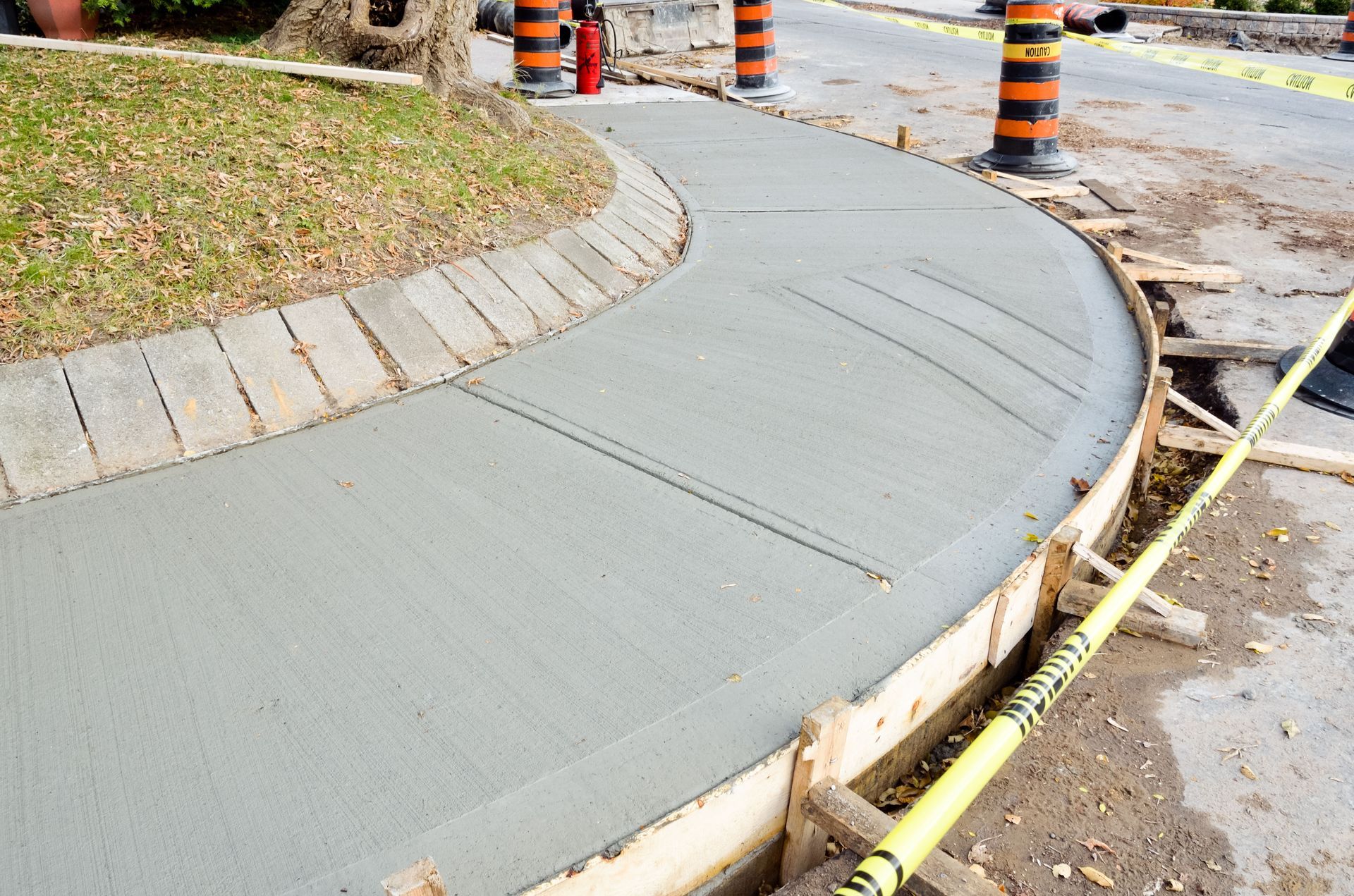
Even the strongest mix will fail if installed incorrectly. Skilled craftsmanship is essential during excavation, forming, pouring, and finishing. First, crews prepare the subgrade by compacting soil and adding a gravel base to prevent shifting and water accumulation. Forms are then placed to define the slab’s shape and ensure an accurate slope for drainage. Proper slope keeps water from pooling on surfaces, which can degrade concrete and pose safety hazards.
When pouring begins, timing becomes critical. Workers must place, spread, and consolidate the mixture before it sets. Vibration tools may be used to eliminate air pockets and improve structural cohesion. Temperature monitoring also matters; in hot weather, hydration accelerates, while cold conditions can slow curing or cause freezing damage. A professional concrete company understands how to adapt to these conditions to protect the integrity of the slab.
Finishing techniques further influence durability and appearance. Troweling, brooming, or stamping creates textures that improve traction or achieve decorative effects. Control joints are strategically cut to manage cracking by directing natural movement along predetermined lines. Finally, curing compounds or coverings help retain moisture during the hardening process, allowing the concrete to reach maximum strength. Proper installation practices reflect the craftsmanship that distinguishes long-lasting work from short-lived surfaces.
Enhancing Durability Through Protective Measures
Durability does not depend solely on installation; protective measures significantly extend a surface’s lifespan. Sealing is one of the most effective strategies. Sealants repel moisture, oils, salts, and chemicals, reducing staining and damage caused by freeze-thaw cycles. High-traffic areas, such as driveways and commercial walkways, particularly benefit from routine sealing.
Drainage design plays another essential role. Without controlled water flow, erosion can occur around slab edges or beneath the structure. Professionals design slopes, gutters, or nearby landscaping features to guide water safely away. In colder climates, de-icing practices matter as well. Chloride-based de-icers can deteriorate concrete, while sand or calcium magnesium acetate may offer safer alternatives.
Industry insight also shows that quality workmanship supports economic growth. According to IBISWorld, the U.S. concrete contractor industry is projected to reach a market size of $91.2 billion in 2025. This growth highlights the ongoing demand for durable infrastructure and the pivotal role that properly designed surfaces play in residential, commercial, and municipal projects. By leveraging proven techniques and forward-thinking strategies, a concrete company helps ensure that new installations contribute to both property value and community development.
Supporting Maintenance and Long-Term Performance
Even the strongest concrete benefits from ongoing care. Routine inspections help identify small issues before they escalate. Homeowners and property managers are encouraged to look for early signs such as hairline cracks, pooling water, or surface flaking. Addressing these concerns promptly prevents structural weakening or costly repairs. A knowledgeable concrete company often guides maintenance schedules tailored to specific climate conditions and usage patterns.
Cleaning is another fundamental step. Dirt, lawn chemicals, oil spills, and de-icing agents can gradually damage the surface. Gentle pressure washing or mild cleaning solutions help preserve appearance without stripping protective sealants. In high-traffic settings, resealing every few years may be necessary to maintain resistance against moisture and abrasion.
Repair strategies vary depending on the extent of damage. Small cracks can often be filled with specialized compounds, while larger structural issues may require resurfacing or partial slab replacement. Professional evaluation ensures that repairs address the root cause rather than simply masking visible symptoms. Through an ongoing partnership with a concrete company, property owners gain reliable support for prolonging the life of their investment and maintaining safe, functional spaces.
Bringing Design and Function Together
Beyond structural performance, concrete offers remarkable versatility in design. Homeowners and businesses can choose from decorative finishes such as stamping, staining, or exposed aggregate to achieve custom looks that mimic stone, brick, or tile. These aesthetic enhancements allow concrete surfaces to complement architectural styles while preserving durability. A concrete company blends engineering expertise with creative design input, helping clients visualize how color, texture, and layout will appear once the project is complete.
This design collaboration often improves usability as well. Thoughtful layout decisions can maximize outdoor living areas, create accessible pathways, and enhance curb appeal. In commercial settings, durable and attractive concrete contributes to customer experience and brand image. Whether the goal is functionality, beauty, or both, professional insight ensures that design choices align with structural realities. When aesthetics and engineering work together, the result is a surface that performs reliably while enhancing the overall environment.
Ultimately, investing in expertise leads to structures that withstand everyday use, weather challenges, and evolving needs for years to come. Call AHV Contractor, LLC today to schedule your construction or concrete service.
Share On: