

How to Prepare Your Property for a New Concrete Driveway
By Aldri Hernandez | August 10, 2026
Installing a fresh concrete surface is a transformative home improvement project that significantly boosts curb appeal, enhances vehicle access, and increases overall property value. Proper site preparation serves as the essential foundation for a smooth installation, ensuring that your investment remains durable, visually appealing, and free from premature cracking or structural settling over time. When homeowners take proactive steps to prepare their land before installation crews arrive, the entire construction timeline proceeds more efficiently and with minimal household disruption. Preparing your property involves several key stages, ranging from initial land clearing and boundary identification to soil stabilization and neighborhood communication. Understanding each phase of preparation empowers homeowners to collaborate effectively with paving professionals, avoid costly site delays, and achieve long-lasting results for their new paved surfaces.
Clearing the Installation Zone and Surrounding Space
The preliminary phase of site preparation requires completely clearing the designated area where concrete driveways will be poured. Homeowners must remove surface obstacles such as vehicles, lawn equipment, trash receptacles, potted plants, and outdoor decorative items from the upcoming work zone. Additionally, overgrown vegetation, low hanging tree branches, bushes, and root systems along the border of the planned path must be trimmed back to provide unobstructed access for heavy machinery and work crews. Clearing ample space around the perimeter ensures that construction vehicles can maneuver safely without damaging your surrounding landscape or outdoor fixtures.
Subsurface vegetation management is equally critical during this early stage of ground clearing. Tree roots and buried organic matter beneath the surface must be extracted completely, as decaying roots leave underground voids that lead to ground settling and surface cracking later. Furthermore, existing asphalt, broken pavers, or old gravel materials need complete removal to expose the raw subgrade soil beneath. Thoroughly clearing both surface debris and underground organic materials creates a clean slate, allowing installation teams to proceed immediately with earthmoving and grading without unexpected delays or site hazards.
Marking Utility Lines and Boundary Lines
Safety and legal compliance require careful identification of subterranean utility lines and property boundaries before any heavy excavation begins on your land. Homeowners should arrange for public utility locator services to visit the property and mark underground gas, electrical, water, communication, and sewer conduits with bright identification paint or flags. Accidentally damaging buried utility lines during site excavation presents severe safety hazards, causes neighborhood service disruptions, and results in expensive repair liabilities. Having clear utility markings protects working crews and ensures that digging proceeds without disturbing vital municipal infrastructure.
Accurately establishing property boundaries is another mandatory requirement before finalizing the layout for concrete driveways on residential property. Reviewing property surveys and locating official boundary markers prevents accidental encroachments onto neighboring land or public rights of way. Installing temporary stakes along the intended layout perimeter allows homeowners and contractors to carefully verify dimensions, setback compliance, and slope orientation. Establishing precise boundaries early prevents costly property disputes with neighbors and avoids regulatory municipal code violations that could halt construction activity mid project.
Assessing Soil Quality and Subgrade Stability
The performance and lifespan of concrete driveways depend directly upon the structural strength of the underlying soil foundation. Earthwork crews evaluate subgrade soil composition to determine whether expansive clay, loose sand, or rich organic topsoil dominates the area. Soft, unstable topsoil must be excavated and replaced with engineered dense aggregate subbase material that resists shifting under heavy vehicle loads. Compacting the subgrade soil thoroughly creates a dense, uniform base that prevents future sagging, surface sinking, and structural cracking under everyday vehicular pressure.
Addressing ground moisture and soil stability requires specialized preparation techniques to handle shifting environmental conditions. In regions with freezing weather or heavy rainfall, improper subgrade compaction causes water retention beneath the slab, leading to severe frost heaving and soil erosion. Adding crushed gravel subbase layers improves load distribution and creates beneficial drainage properties beneath the concrete slab. Ensuring proper subgrade preparation creates a resilient foundation that maintains structural integrity despite seasonal temperature fluctuations and changing moisture levels.
Establishing Proper Drainage and Surface Slopes
Managing water runoff is a fundamental aspect of site preparation that protects both the new paved surface and your home foundation from water damage. Excavation crews slope the subgrade away from nearby structural foundations, garage entrances, and adjacent buildings to encourage natural gravity drainage. Improper land contouring allows standing water to accumulate along slab edges or flow directly toward the residential home, creating foundation dampness and soil washout. Establishing gentle surface gradients ensures that rainwater and melting snow flow smoothly toward designated lawn drainage zones or storm gutters.
In areas where natural topography makes proper gravity drainage difficult, installing supplementary drainage solutions prior to pouring concrete becomes necessary. Subsurface French drains, channel grates, and catch basins can be integrated into the site design to capture excess surface runoff before it causes erosion along driveway borders. Proper drainage planning prevents standing water from seeping beneath concrete driveways, which reduces freeze thaw damage and prevents localized soil erosion. Investing effort into slope engineering guarantees long term surface stability and protects your surrounding property from water accumulation.
Coordinating Logistics and Site Access Pathways
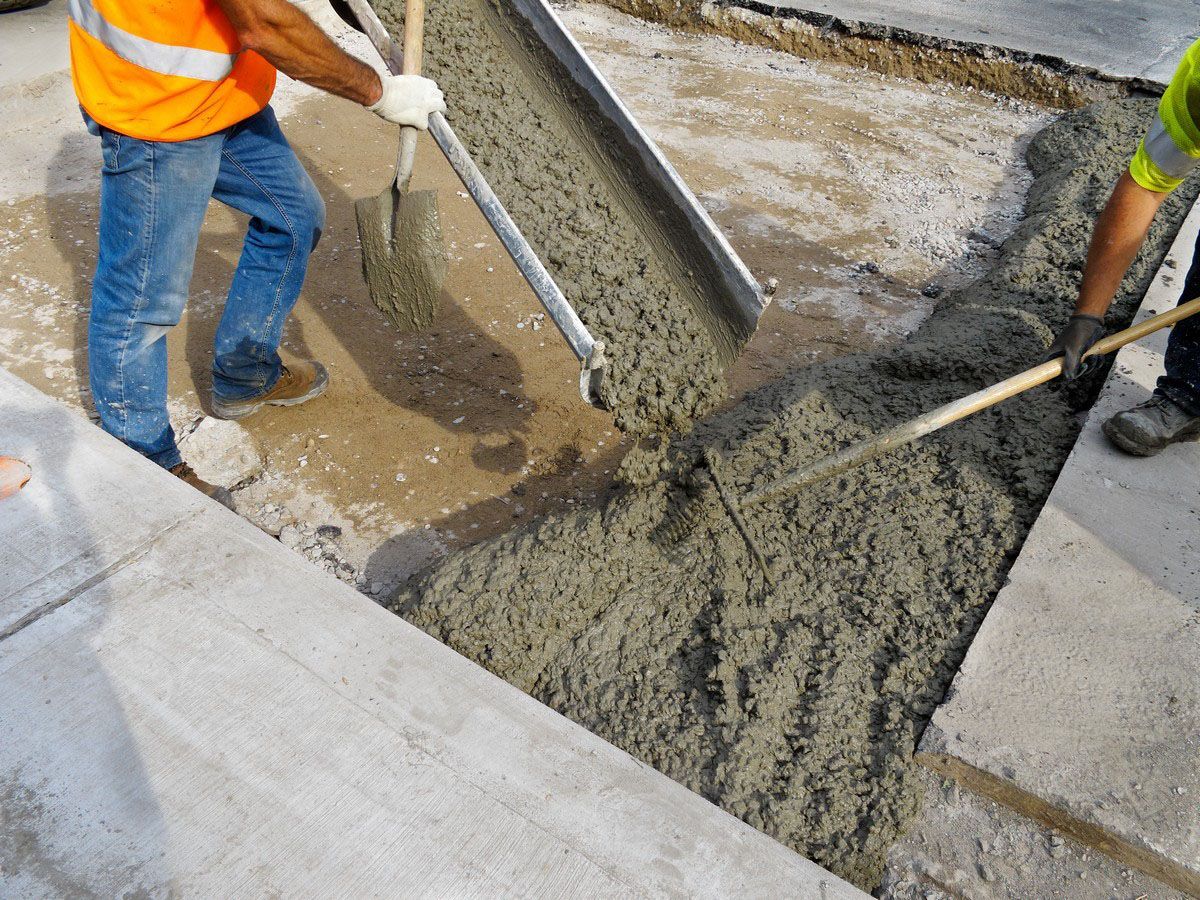
Preparing your residential property for major concrete construction involves managing logistical details and clearing physical access pathways for heavy delivery vehicles. Ready mix concrete trucks require wide, unobstructed transit paths and solid ground to approach the pouring location without sinking into soft turf or damaging overhead structures. Homeowners should coordinate with contractors to designate specific staging areas for heavy equipment, gravel piles, form lumber, and crew vehicles. Clearing wide access routes prevents vehicle delays and ensures that fresh concrete can be delivered and placed quickly before setting.
Neighborhood communication and scheduling logistics also play a significant role in creating a smooth construction environment. Informing adjacent neighbors about upcoming construction dates allows them to plan around temporary noise, dust, and street parking adjustments. Additionally, homeowners should clear driveway access points and relocate personal vehicles to designated street locations before heavy machinery arrives on site. Proper logistical planning keeps work crews on schedule, reduces neighborhood friction, and creates a controlled work environment for efficient installation.
Planning for Curing Requirements and Post Pour Care
Understanding post installation care requirements is an essential part of property preparation that ensures optimal long term slab performance. Once the concrete is poured, leveled, and finished, the surface requires an extended period of chemical hydration to achieve maximum structural strength. According to NerdWallet, concrete driveways take between 7 and 28 days to cure completely. Homeowners must prepare to restrict vehicle traffic and heavy machinery access during this sensitive curing window to prevent surface marring, edge cracking, or deep structural damage.
Preparing protective barriers, warning tape, or temporary fencing helps prevent accidental foot traffic, wandering pets, or unauthorized vehicle entry while curing occurs. Furthermore, homeowners should plan for routine curing maintenance, which may involve periodic surface wetting or applying specialized curing compounds to retain internal moisture. Planning for proper curing conditions and respecting recommended strength development timelines guarantees that concrete driveways achieve maximum structural durability and remain beautiful for decades.
Preparing your property for a new surface installation requires careful planning, thorough site clearing, utility coordination, and proper subgrade engineering. Taking time to address soil stability, drainage slopes, and logistics establishes a reliable foundation that protects your investment from future settlement and water damage. By collaborating closely with experienced professionals throughout each stage of preparation, homeowners ensure a smooth construction timeline and lasting visual appeal. When you are ready to transform your property layout with professional installation and expert craftsmanship, contact AHV Contractor, LLC.




Share On: